Looking for How to store fruit and vegetables at home! in 2026? Scroll down this page and follow the links. And if you bring home some fruit or vegetables and want to can, freeze, make jam, salsa or pickles, see this page for simple, reliable, illustrated canning, freezing or preserving directions. There are plenty of other related resources, click on the resources dropdown above. If you are having a hard time finding canning lids, I've used these, and they're a great price & ship in 2 days.
If you have questions or feedback, please let me know! There are affiliate links on this page. Read our disclosure policy to learn more.
How to store fruit and vegetables at home!
If you want to get the maximum storage life out of your fresh fruits and vegetables, then you need to know what the storage conditions are for each specific fruit or vegetable. This page provides that information
Handling Fruits and Vegetables: General Advice
Long storage life also depends on careful handling. Most fruits and vegetables are easily bruised if not handled carefully. When harvesting, treat produce gently. Most produce should be washed after harvest and before storage, but there are some exceptions. Delicate berries should be rinsed in cold water just before consuming. Washing berries before storage will hasten the decay process. While potatoes store better with a fine layer of soil left on the skin, avoid leaving clumps of soil on potatoes as this will only encourage spoilage.
Several vegetables benefit from post-harvest curing. Curing heals injures from harvesting operations. It thickens the skin, reducing moisture loss and affording better protection against insect and microbial invasion. Curing is usually accomplished at an elevated storage temperature and high humidity. An enclosed home storage area with a space heater can provide the conditions effective for curing some crops.
Root crops such as beets, carrots, rutabagas, parsnips and turnips can be left in the ground into late fall and early winter. A heavy mulch of straw will prevent the ground from freezing so the roots can be dug when needed. Many people prefer the taste of these crops after they have been frosted because their flavors become sweeter and milder. But make sure to finish harvesting these crops before the ground freezes solid, or you will have to wait until spring to dig them out.
Recommendations for Handling Some Specific Fruits and Vegetables:
|
|
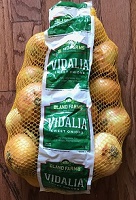 Onions:
Harvest onions when the tops have fallen over and begun to dry. Cure
onions after harvesting by spreading them in a single layer on
screens in the shade or in a wellventilated garage or shed for 1 to
2 weeks or until the tops are completely dry and shriveled. Trim
tops back to 1 inch and store onions in shallow boxes, mesh bags or
hang in old nylons in a cold, dry well-ventilated room. Onions:
Harvest onions when the tops have fallen over and begun to dry. Cure
onions after harvesting by spreading them in a single layer on
screens in the shade or in a wellventilated garage or shed for 1 to
2 weeks or until the tops are completely dry and shriveled. Trim
tops back to 1 inch and store onions in shallow boxes, mesh bags or
hang in old nylons in a cold, dry well-ventilated room. |
|
|
|
Sweet
and hot peppers:
|
|
|
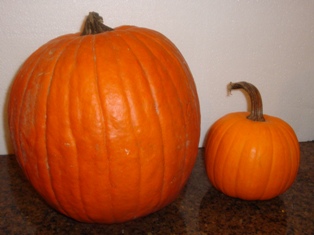 Pumpkins
and winter squash: Harvest mature fruit with hard rinds (ones
that resist fingernail pressure) just before frost. Leave the stem
on when cutting from the plants to prevent decay. Cure for 10 days
at 80 to 85°F. The one exception is acorn squash: store at 45°F
after harvest. (Curing acorn squash will lead to stringiness.) Pumpkins
and winter squash: Harvest mature fruit with hard rinds (ones
that resist fingernail pressure) just before frost. Leave the stem
on when cutting from the plants to prevent decay. Cure for 10 days
at 80 to 85°F. The one exception is acorn squash: store at 45°F
after harvest. (Curing acorn squash will lead to stringiness.) |
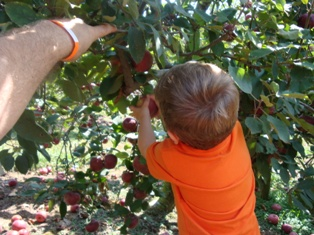
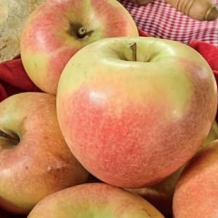 Apples:
Late maturing apples are best suited for storage. Store in baskets
or boxes lined with plastic or foil to help retain moisture. Always
sort apples carefully and avoid bruising them. Store apples as close
to 32°F as possible, a temperature of 30 to 32°F is ideal. Because
apples give off a gas, ethylene, that will hasten the ripening of
other fruit, store apples separately from other crops if possible.
Boxed apples need to be kept in a cool, dark spot where they won't
freeze. Freezing ruptures all of an apple's cells, turning it into
one large bruise overnight. The usual solution is to store apples in
a root cellar. But root cellars often have potatoes in them, and
experts say that apples and potatoes should never be stored in the
same room. This may seem incongruous, but there is a reason. As they
age, potatoes release an otherwise harmless gas that makes apples
spoil faster. If you can keep the gas away from your apples, they
will keep just fine. Just don't store them right next to potatoes. Apples:
Late maturing apples are best suited for storage. Store in baskets
or boxes lined with plastic or foil to help retain moisture. Always
sort apples carefully and avoid bruising them. Store apples as close
to 32°F as possible, a temperature of 30 to 32°F is ideal. Because
apples give off a gas, ethylene, that will hasten the ripening of
other fruit, store apples separately from other crops if possible.
Boxed apples need to be kept in a cool, dark spot where they won't
freeze. Freezing ruptures all of an apple's cells, turning it into
one large bruise overnight. The usual solution is to store apples in
a root cellar. But root cellars often have potatoes in them, and
experts say that apples and potatoes should never be stored in the
same room. This may seem incongruous, but there is a reason. As they
age, potatoes release an otherwise harmless gas that makes apples
spoil faster. If you can keep the gas away from your apples, they
will keep just fine. Just don't store them right next to potatoes.Prevent contact between apples stored for the winter by wrapping them individually in sheets of newspaper. The easiest way to do this is to unfold a section of newspaper all the way and tear it into quarters. Then stack the quarters. Avoid sections printed with colored ink, which contains poisonous heavy metals |
 Pears:
For good flavor and texture, ripen pears after harvest. Pick pears
when they are fully mature, firm in texture and light green in
color. Ripen pears by placing them in a room at 60 to 65°F for 1 to
3 weeks. Once pears ripe, the fruit is soft and a yellow-green
color, transfer to the refrigerator and store at 29 to 32°F and 90%
humidity. Pears:
For good flavor and texture, ripen pears after harvest. Pick pears
when they are fully mature, firm in texture and light green in
color. Ripen pears by placing them in a room at 60 to 65°F for 1 to
3 weeks. Once pears ripe, the fruit is soft and a yellow-green
color, transfer to the refrigerator and store at 29 to 32°F and 90%
humidity. |
 Potatoes:
Late crop potatoes are best for long-term storage. After harvest,
cure late potatoes by holding them in moist air for 1 to 2 weeks at
60 to 75°F. Lightly cover during curing to help retain moisture.
After curing, lower the storage temperature to about 40 to 45°F,
ideally in a cool, dark basement or cellar. Do not wash potatoes
before they are put into storage and avoid chilling below 40°F.
Store potatoes in the dark to prevent greening.
Potatoes:
Late crop potatoes are best for long-term storage. After harvest,
cure late potatoes by holding them in moist air for 1 to 2 weeks at
60 to 75°F. Lightly cover during curing to help retain moisture.
After curing, lower the storage temperature to about 40 to 45°F,
ideally in a cool, dark basement or cellar. Do not wash potatoes
before they are put into storage and avoid chilling below 40°F.
Store potatoes in the dark to prevent greening. Garlic:
Harvest garlic in mid-summer when the plant still retains 5 green
leaves. Cure garlic in a warm, dry place with good air circulation
for 1 month before cutting the tops and roots back. Hardneck garlic
will store between 3-9 months while softneck garlic will store for
6-12 months or more.
Garlic:
Harvest garlic in mid-summer when the plant still retains 5 green
leaves. Cure garlic in a warm, dry place with good air circulation
for 1 month before cutting the tops and roots back. Hardneck garlic
will store between 3-9 months while softneck garlic will store for
6-12 months or more. Mature, green bell peppers can be kept for 2 to
3 weeks if handled properly. Firm, dark green peppers free of
blemishes and injury are best for storage. Harvest before frost to
avoid damage to the fruit. Hot peppers are easiest to store after
they are dry. Peppers can be dried by either pulling the plants
together and hanging them upside down or by picking the peppers from
the plants and stringing them together.
Mature, green bell peppers can be kept for 2 to
3 weeks if handled properly. Firm, dark green peppers free of
blemishes and injury are best for storage. Harvest before frost to
avoid damage to the fruit. Hot peppers are easiest to store after
they are dry. Peppers can be dried by either pulling the plants
together and hanging them upside down or by picking the peppers from
the plants and stringing them together. Tomatoes:
With care, mature green tomatoes will keep and ripen for about 4 to
6 weeks in the fall. Harvest tomatoes from vigorous vines, tomatoes
from nearly spent vines are more subject to decay. Harvest fruit
just before the first killing frost. To store, pick tomatoes and
remove the stems. Reduce rot by disinfecting fruit by washing in
water with 1-1/2 teaspoon bleach per gallon of water. Dry thoroughly
with a soft cloth and pack fruit 1 or 2 layers deep in shallow
boxes. Remove fruits as they ripen.
Tomatoes:
With care, mature green tomatoes will keep and ripen for about 4 to
6 weeks in the fall. Harvest tomatoes from vigorous vines, tomatoes
from nearly spent vines are more subject to decay. Harvest fruit
just before the first killing frost. To store, pick tomatoes and
remove the stems. Reduce rot by disinfecting fruit by washing in
water with 1-1/2 teaspoon bleach per gallon of water. Dry thoroughly
with a soft cloth and pack fruit 1 or 2 layers deep in shallow
boxes. Remove fruits as they ripen.Many fall-harvested crops lend themselves to long term storage. The following storage conditions are recommended for extended shelf life and maximum eating quality of fall produce:
Many fall-harvested crops lend themselves to long term storage. The following storage conditions are recommended for extended shelf life and maximum eating quality of fall produce:
| Storage Temperature, Humidity & Storage Life of Selected Fruits and Vegetables1 | |||
| Commodity | Temperature (°F) | Relative Humidity (%) | Storage Life |
| Apples, late season | 30-38 | 95 | 2-6 months |
| Beet, bunched | 32 | 98-100 | 10-14 days |
| Beet, topped | 32 | 98-100 | 4-6 months |
| Broccoli | 32 | 95-100 | 10-14 days |
| Brussels Sprouts | 32 | 95-100 | 3-5 weeks |
| Cabbage | 32 | 98-100 | 3-6 weeks |
| Carrot, bunched | 32 | 95-100 | 2 weeks |
| Carrot, mature | 32 | 98-100 | 7-9 months |
| Cauliflower | 32 | 95-98 | 3-4 weeks |
| Celeriac | 32 | 97-99 | 6-8 months |
| Celery | 32 | 98-100 | 2-3 months |
| Garlic | 32 | 65-70 | 6-7 months |
| Horseradish | 30-32 | 98-100 | 10-12 months |
| Kale | 32 | 95-100 | 2-3 weeks |
| Kohlrabi | 32 | 98-100 | 2-3 months |
| Onion, dry | 32 | 65-70 | 1-8 months |
| Parsnip | 32 | 98-100 | 4-6 months |
| Pears | 34-36 | 95 | 2-4 months |
| Pepper, sweet | 45-55 | 90-95 | 2-3 weeks |
| Potato, late | 50-60 | 90-95 | 5-10 months |
| Radish, winter | 32 | 95-100 | 2-4 months |
| Rutabaga | 32 | 98-100 | 4-6 months |
| Squash, winter | 50 | 50-70 | Variable |
| Tomato, ripe | 46-50 | 90-95 | 4-7 days |
| Turnip | 32 | 95 | 4-5 months |
1From Knott's Handbook for Vegetable Growers
Picking Tips
[General picking tips and a guide to each fruit and vegetable] [How
much do I need to pick?
(Yields - how much raw makes how much cooked or frozen)] [Selecting
the right varieties to pick] [All
about apple varieties - which to pick and why!] [Picking tips for Vegetables]
[ Strawberry picking tips]
[ Blueberries picking tips]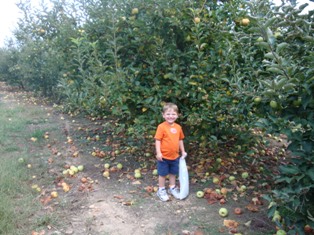
Illustrated Canning, Freezing, Jam Instructions and Recipes
[ Easy Home Canning Directions] [FAQs - Answers to common questions and problems] [Recommended books about home canning, jam making, drying and preserving!] [Free canning publications to download and print]


Looking for canning equipment and supplies?
Water bath canner with a jar rack
Pressure canners for gas, electric and induction stoves: Presto 23Qt or T-fal 22Qt
 Canning scoop (this one is PERFECT)
 Ball Blue book (most recent version)
Jars: 8oz canning jars for jams

Want to start your own Podcast, Blog, Vlog, etc? This
GoPro kit has EVERYTHING you need:
all accessories
Find Other types of farms:
Farm markets and roadside stands
Road trips and camping resources
Local Honey, apiaries, beekeepers
Consumer fraud and scams information
Home canning supplies at the best prices on the internet!
Maple Syrup Farms, sugarworks, maple syrup festivals
Environmental information and resources
Farms For Your Event for birthday parties, weddings, receptions, business meetings, retreats, etc.
Festivals - local fruit and vegetable festivals
Get the
most recent version of
the Ball Blue Book
Canning and preserving, making jams, salsa, sauces, pickles, etc is SO easy with our step by step directions! Just about all you need is a canner and canning jars!
