Cherry Recipes: Canning Cherries, Preserves, Cherry Jelly, Cherry Pie Filling and More
Cherry Recipes, Preserves and Canning Directions
 Cherries
are very easy to freeze, can and make great pies and preserves.
Cherries are a fairly early crop, flowering soon after the last
frosts in April and May, setting fruit in June, usually at the same
time as strawberries in most areas (but
check your area's
harvest calendar and call the farm or orchard you are planning
to go to a few weeks ahead).
Cherries
are very easy to freeze, can and make great pies and preserves.
Cherries are a fairly early crop, flowering soon after the last
frosts in April and May, setting fruit in June, usually at the same
time as strawberries in most areas (but
check your area's
harvest calendar and call the farm or orchard you are planning
to go to a few weeks ahead).
Cherry Recipes, Canning, Jam, Jelly, and related resources
- Cherry preserves instructions - illustrated and easy
- Cherry jelly
- Cherry pie filling
- Cherry butter
- Cherry festivals
- Cherry pitters - reviews and where to get them
- How to pit cherries - several methods
Types of Cherries
There are two types of cherries: sweet cherries and sour cherries (also called tart or pie cherries). The difference is simple: sweet cherries taste sweeter and are eaten fresh. Pie cherries are very tart and most people prefer to use them in pies, jams, preserves, jellies and butters, adding sugar to sweeten them. See further down this page for a list of common cherry varieties and their uses. Washington State, California and Oregon are the primary sweet cherry growing states; they produce almost 90 percent the U.S.'s cherry crop. Michigan produces about 74 percent of tart cherry production
 Cherry varieties
Sweet cherries:
- Bing cherries are deep red in color and sweet.
- Blackgold - very late mid-season. Good for eating fresh. Self-fertile.
- Emperor Francis are White or Blush Sweet Cherries, Early season, perfect for canning, making jellies and jams, or making homemade maraschinos.
- Hartland, an early season dark cherry. A Windsor cross, it was developed in New York
- Hedelfingen is a later season sweet cherry. It has large, black fruit.
- Kristin cherries are a a mid-season cherry developed in New York.
- Lambert Cherry is a large, black, late harvest cherry of very good quality, compared to Bing.
- Lapins Cherry is a self-fruitful, large, dark red sweet cherry from Canada with firm, good flavor. Ripens a few days after Bing and needs only 400 chilling hours or less to produce fruit.
- Rainier cherries are golden yellow with a pink or red blush. Ranier cherries are large and sweet.
- Royalton cherries are large, dark cherry mid-season cherries
- Sam - early ripening, large, black sweet cherry. Ripens 11 days after Vista.
- Skeena cherries are a late ripening variety. They are dark red, firm and juicy.
- Somerset cherries are medium sized, later season cherries that are dark and firm.
- Sonata - Very large, black, and moderately sweet fruit. Self-fertile.
- Staccato cherries are a deep purple-red and also a late season variety. Staccato cherries are large and one of the sweetest varieties.
- Stella are a large, sweet, dark-red fruit that ripens in mid-season
- Sweetheart cherries are a large, bright red late-season variety, medium sweetness
- Sunburst - large, firm fruit. Old productive variety. Self-fertile.
- Symphony - bright red, medium-sweet very large fruit. Late season. Self-fertile.
- Tehranivee - mid-season cherry developed in Ontario, Canada. Cracking can be a problem. Self-fertile.
- Ulster - medium-sized, firm, dark cherry, Ripens about 2 days after Vista.
- Vandalay - Large, red fruit with an unusual kidney shape. From Canada. Self-fertile.
- Viscount - medium-large, firm, good, dark red cherries. Late season ripening.
- Vista - the cherries are very dark, almost black. Large excellent-quality fruit.Mid season, ripens around the last week in June.
- Viva - dark red, 3/4 inch fruit from Canada. Ripens around July 4.
- White Gold are a blush cherry of moderate to large size.
Pie, Sour or Tart Cherries (all different names for the same thing!)
- Balaton Ujfeherto Furtos is a Hungarian sour cherry with firm fruit that is suited to picking by hand and eating fresh. Red skin and flesh. Ripens about 7 to 10 days after Montmorency
- Danube Erdi Botermo has dark red fruit with a unique sweet-tart flavor. Delicious eaten fresh or in baked goods. Ripens about 1 week before Montmorency.
- Dark-juice-tarts has juice that is red rather than clear in color.
- Jubileum - new, from Hungary. Very large with a dark red flesh. Sweet for a tart cherry, not quite as tart as Montmorency.
- Meteor - Medium-sized fruit with an odd shaped pit. Ripen s3 to 7 days after Northstar.
- Montmorency, the most commonly grown, traditional cherry for pies, baking and canning. Ripens around the last week of June to the first week of July.
- Morello Sour Cherry is a late-ripening tart dark red to nearly black cherry used for cooking, and sometimes eaten fresh when fully ripe. Fruits in warm climates ( 500 hours or fewer chilling hours below 45 F) Self-fruitful. USDA
- Northstar - Medium-sized, dark red fruit.
- Surefire - A new late blooming variety from Cornell. Bright red, medium sized fruit.
Cherry Facts and Tips
- Cherries come in many colors besides red: there are also dark red (almost black), yellow, blush (mixed) and gold cherries.
- Cherries are a very healthy food; they are high Vitamin C and naturally have no fat, cholesterol or sodium. They are also a good source of ivitamin A, calcium, protein, and iron.
- Cherries are an antioxidant-rich foods.
- One cup of cherries is less than 90 calories and 3 grams of fiber.
- One cup of cherries has 260 mg of potassium which plays a key role in muscle, heart, kidney, and nerve cell functions.
- Cherries are high in fiber. Half to one pound of cherry fruit per day can provide twenty to thirty grams of fiber which is adequate for an adult daily nutrition requirement.
- Do the math and be careful not to over-purchase as Cherries quickly mold when left at room temperature, and only last a couple of days in the refrigerator.
- You can easily freeze cherries that you cannot use right away - just wash, cut the hulls off and pop them into a ziplock bag, removing as much air as possible. Those vacuum food sealers REALLY do a good job of this! The cherries will keep for many months frozen without air. See my How to freeze berries page
- Anthocyanins in cherries are what give the fruit its red color and help protect the heart and surrounding tissues
- Some research has found eating cherries to reduce pain and inflammation associated with arthritis and gout
Questions and Answers and other tips!
I want to make cherry juice and cherry jam. Do you know how I could extract the juice, getting rid of the pits?
There are various types of cherry pitters that are easy and effective. Juicers tend to jam on the pits (if you know of a brand of juicer that is reliable and effective with cherries, write me!
See this page about cherry pitters. Once pitted, juicers work great:


Looking for canning equipment and supplies?
Water bath canner with a jar rack
Pressure canners for gas, electric and induction stoves: Presto 23Qt or T-fal 22Qt
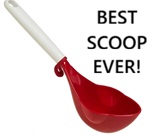 Canning scoop (this one is PERFECT)
 Ball Blue book (most recent version)
Jars: 8oz canning jars for jams

Want to start your own Podcast, Blog, Vlog, etc? This
GoPro kit has EVERYTHING you need:
all accessories
Find Other types of farms:
Farm markets and roadside stands
Road trips and camping resources
Local Honey, apiaries, beekeepers
Consumer fraud and scams information
Home canning supplies at the best prices on the internet!
Maple Syrup Farms, sugarworks, maple syrup festivals
Environmental information and resources
Farms For Your Event for birthday parties, weddings, receptions, business meetings, retreats, etc.
Festivals - local fruit and vegetable festivals
Get the
most recent version of
the Ball Blue Book
Get the
most recent version of
the Ball Blue Book of Home Canning
Find other types of farms:
- Easter egg hunts
- Children's consignment sales
- Farm markets and roadside stands
- Local Honey
- Local Meat, Milk and Eggs
- Road trip and camping
- Pumpkin patches and corn mazes
- Christmas Tree Farms and lots
- Maple Syrup farms and sugarworks
Highly rated canning supplies:
- Regular Mouth Canning Lids with food-grade with BPA Free Silicone seals for Ball, Kerr Jars for Canning
- Canning accessories kit: funnel, jar tongs, lid lifter, etc
- Food Dehydrator, 400W Electric with 8 Trays, 48 hour Timer and Temperature Control 95-176℉, BPA-Free
- Water Bath Canner, 21 Qts with lid, Jar Rack, Speckled Black, cans 7 quart jars, 9 pint jars or 13 half-pint jars
- Air Fryer: Instant Pot Instant Vortex Plus XL 8QT Clear Windows, Custom Programming, 8-in-1 Functions that Crisps, Broils, Roasts, Dehydrates, Bakes, Reheats
-
- Most recent version of the Ball Blue Book
- The Backyard Homestead:a guide to homesteading, on 1/4 acre, how to raise grains and vegetables; raise animals for meat, eggs, and dairy; and keep honey bees
- Smart silent HEPA Air Purifiers for Home, Large Rooms for Allergies, Smoke, Pets. Eliminates 99.97% of Dust, Pet Hair, Odors