

This month's notes: June 2026: Stored US apples are still available. See your state's crop availability calendar for more specific dates of upcoming crops.
Valentine's Day - February 14 - See this website for Valentines Day history, facts and top picks for fast, easy, inexpensive gifts for the man, woman or children in your life!
Easter will be April 16, 2017 - if you want to take your children to a free Easter egg hunt - see our companion website to find a local Easter Egg hunt!
And we have home canning, preserving, drying and freezing directions. You can access recipes and other resources from the drop down menus at the top of the page or the site search. If you have any questions or suggestions, feel free to write me! Also make your own ice cream; see How to make ice cream and ice cream making equipment and manuals. Have fun, eat healthier and better tasting, and save money by picking your own locally grown fruit and vegetables, and then using our easy directions
 Subscribe
to our: Email
alerts; Follow us on Twitter
Add
this page to your favorites! -
Email this page to a friend, or to yourself
Subscribe
to our: Email
alerts; Follow us on Twitter
Add
this page to your favorites! -
Email this page to a friend, or to yourself
Blackberries
In May and early June, wild blackberries are sold along Texas highways. Small
plots of cultivated blackberries are also scattered throughout the state. In
East Texas, production has accelerated so much in recent years that blackberries
are now available in grocery stores in major Texas cities. Research indicates
that eating blackberries helps reduce cholesterol and the likelihood of certain
cancers.
| Selection: Choose fruit that is dry, clean,
plump, bright and well-colored. Avoid leaky, soft or dull berries or
those with caps still attached. Storage: Berries are delicate and should be handled with care. Purchase berries packaged in a clear container so you can check the quality of the berries on the bottom. Discard any soft berries and wash only when you are ready to use. Fresh berries will keep refrigerated for up to three days. |
 |
General Produce Safety Guidelines:
- All fresh produce that is peeled or cut should be refrigerated within two hours. Leftover cut produce should be discarded if left at room temperature for more than two hours.
- Hands should be washed with hot soapy water before and after handling fresh produce.
- Wash all fruits and vegetables with cool tap water immediately before eating. Do not use soap or detergents. Scrub firm produce, such as melons and cucumbers, with a clean produce brush. Cut away bruised or damaged areas before eating.
- Wash surfaces often. Cutting boards, dishes, utensils and counter tops should be washed with hot soapy water and sanitized after coming in contact with fresh produce. Always use clean cutting boards and utensils when handling fresh produce.
Blueberries
Large, sweet rabbit-eye blueberries are harvested in East Texas from May to
mid-July. Frozen Texas blueberries are available year round. The amazing
blueberry has emerged as nature's No. 1 source of antioxidants among fresh
fruits and vegetables. In tests at the USDA Human Nutrition Research Center on
Aging at Tufts University in Boston, blueberries surpassed 39 other fruits and
vegetables in antioxidants that combat cancer, heart disease and other
illnesses.
| Selection: Select plump, firm fruit with tight skins and dark blue coloring. Purchase packaged fruit in clear containers to verify the fruit on the bottom. Fresh blueberries may have a dusty appearance, which means they were harvested at the best time. Avoid soft or shriveled fruit, which indicate over-ripeness. |
 |
Storage: Fresh blueberries can be refrigerated for up to ten days by arranging them in a single layer on a paper towel in a covered shallow pan. Do not wash until you are ready to use. Blueberries also freeze nicely and can be used in many recipes straight from the freezer.
Nutrition: A cup of blueberries contains zero fat and cholesterol and is a great source of vitamin C.
Strawberries
Small, sweet Texas strawberries are picked in early and mid-April from Poteet
south of San Antonio as well as Gillespie County in the Hill Country, and later
in the month in East Texas. They are available mainly at pick-your-own
operations, roadside stands and a few grocery stores. These fresh berries are a
great buy for health-conscious consumers and anyone who craves the intense
flavor of a just-picked product. Strawberries contain folic acid and
phytochemicals thought to reduce the incidence of cancer.
Selection: Look for strawberries that are ripe but still firm enough
to handle. The fruit should be bright and evenly colored. Caps should be green
and fresh in appearance. Smaller berries are usually more intensely flavored
than larger ones.
Storage: Do not wash or hull berries until you are ready to serve them.
Moisture will hasten decay and rob berries of flavor. Store them refrigerated at
all times. They will maintain freshness for approximately three days.
 Nutrition: One cup of strawberries contains only 47 calories and
one-and-a-half times the recommended daily intake of vitamin C.
Nutrition: One cup of strawberries contains only 47 calories and
one-and-a-half times the recommended daily intake of vitamin C.
General Produce Safety Guidelines:
- All fresh produce that is peeled or cut should be refrigerated within two hours. Leftover cut produce should be discarded if left at room temperature for more than two hours.
- Hands should be washed with hot soapy water before and after handling fresh produce.
- Wash all fruits and vegetables with cool tap water immediately before eating. Do not use soap or detergents. Scrub firm produce, such as melons and cucumbers, with a clean produce brush. Cut away bruised or damaged areas before eating.
- Wash surfaces often. Cutting boards, dishes, utensils and counter tops should be washed with hot soapy water and sanitized after coming in contact with fresh produce. Always use clean cutting boards and utensils when handling fresh produce.
Oranges
Sunny days, warm tropical nights and sandy loam soil make the Rio Grande Valley
on the Texas-Mexico border the ideal spot for growing sweet, juicy oranges.
Texas oranges are tree-ripened and picked at the peak of flavor. Gentle Gulf of
Mexico breezes sometimes scar the fruit's peel, but these "tropical beauty
marks" are surface blemishes that do not affect quality. Oranges are
hand-picked, washed, inspected, graded and packed by hand before being shipped
to supermarkets across the United States and Canada.
| Selection: Reach for firm fruit that is heavy for
its size. Take a sniff too. There should be a distinct citrus aroma.
Avoid shriveled or soft fruit. Storage: Keep your oranges at room temperature. They should last for about two weeks. Make sure to turn them often and check for signs of mold, especially in a high humidity environment. |
 |
General Produce Safety Guidelines:
- All fresh produce that is peeled or cut should be refrigerated within two hours. Leftover cut produce should be discarded if left at room temperature for more than two hours.
- Hands should be washed with hot soapy water before and after handling fresh produce.
- Wash all fruits and vegetables with cool tap water immediately before eating. Do not use soap or detergents. Scrub firm produce, such as melons and cucumbers, with a clean produce brush. Cut away bruised or damaged areas before eating.
- Wash surfaces often. Cutting boards, dishes, utensils and counter tops should be washed with hot soapy water and sanitized after coming in contact with fresh produce. Always use clean cutting boards and utensils when handling fresh produce.
Apples
The longer apples stay on the tree, the higher their
sugar content and thus the sweeter their flavor. That is why no apples even come
close to tree-ripened Texas apples, which are up to 40 percent sweeter than
other apples. Because the apples ripen during the hot Texas summer, they do not
develop the fruit's typical deep red color. Quality, however, is extremely high.
Harvest starts in late June, when other apples come from cold storage, and ends
in November.
| Selection:
Choose fruit that is firm with a fragrant smell. Avoid apples with
bruises or broken skin. When possible, purchase loose rather than bagged
apples. Loose apples are easier to examine and select. You want to look
for uniform, bright colors. Storage: Apples continue to ripen after harvest and most types keep better in the refrigerator. Place them in the crisper in a plastic bag with plenty of ventilation holes. Wash right before using. Surface moisture causes apples to discolor. For long-term storage, wrap apples in paper and store in a cool dry place. Remember to store in a single layer only. |
 |
Grapefruit
The most delicious of the world's grapefruit
varieties, Texas Red Grapefruit ripens to perfect sweetness on the tree.
This tropical fruit is nurtured in the Rio Grande Valley, where soil and
climate allow citrus to attain the highest possible quality. The original
red grapefruit was found in the Valley more than 70 years ago growing on a
pink grapefruit tree. Named the Ruby Red, this naturally sweet discovery
earned Texas the reputation of raising the world's finest grapefruit. Today
Texas produces two trademarked categories of red grapefruit - Ruby-Sweet and
Rio Star. Both have red interiors and a rosy blush on the peel. Texas Red
Grapefruit was named one of Saveur Magazine's Top 100 Favorites for 2002.
| Selection: Choose grapefruit that are heavy for their size and well shaped. The skin should be smooth with a blemish-free outer peel. Don't worry about any slight greening of the skin after harvesting; it does not affect the quality of the fruit. Surface marks that result from the fruit being wind-brushed against the tree do not affect the quality of the fruit either. | |
| Storage:
Keep refrigerated. The fruit will keep for 7-10 days. Grapefruit does
not ripen further after harvest. Nutrition: Grapefruit is fat-free, sodium-free and cholesterol-free. It is a great source of vitamin A, a proven antioxidant and extremely high in vitamin C. |
 |
Peaches
Texas produces firm, ripe peaches with a bright red
blush. A cream to yellow background indicates ripeness and flavor. Cling peaches
generally ripen first, followed by semi-freestones and freestones. Texas peaches
are ripened on the tree, which assures buyers receive the highest quality,
sweetest peaches possible.
| Selection: Peaches are best when ripened on the tree. They will become softer but not riper after harvest. Avoid bruised or damaged fruit. Handle with extreme care after purchase. Look for a creamy yellow background color and a well-defined crease. |
 |
Storage: Fruit that will not be consumed immediately must be refrigerated. It will keep at its best for about five days. Peaches that will be eaten in a day or two can be left out. To soften peaches, place in a paper bag for a day or so away from direct sunlight.
Tomatoes
Texas field-grown and greenhouse tomatoes are vine
ripened for that sweet yet acidic taste that is hard to find. Texas tomatoes,
which include Round, Roma and Cherry tomatoes, are available at your nearest
retailer, local farmers market, and for shipping out of state.
| Selection: Quality
tomatoes should be firm with shiny, bright skins and a soft fragrance on
the stem end. Avoid tomatoes that are mushy, lacking in color, or have
blemishes or growth cracks. Storage:Tomatoes are best left unrefrigerated until they are cut. Cold temperatures make the flesh pulpy and kill the flavor. Tomatoes do continue to ripen after harvest. To encourage ripening, keep in a pierced paper bag with an apple for 24 hours. You can also leave tomatoes on the countertop away from direct light. |
 |
Nutrition: Tomatoes are a rich source of vitamin C and also contain some amounts of vitamins A and B as well as phosphorus, iron and potassium. A medium-sized tomato has as much fiber as a slice of whole wheat bread, but only 35 calories.
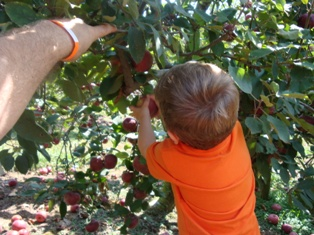
Picking Tips
[General picking tips and a guide to each fruit and vegetable] [How
much do I need to pick?
(Yields - how much raw makes how much cooked or frozen)] [Selecting
the right varieties to pick] [All
about apple varieties - which to pick and why!] [Picking tips for Vegetables]
[ Strawberry picking tips]
[ Blueberries picking tips]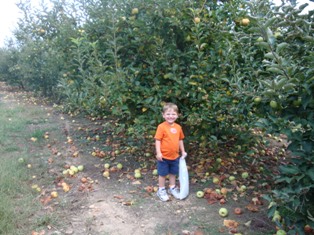
Illustrated Canning, Freezing, Jam Instructions and Recipes
[ All About Home Canning, Freezing and Making Jams, Pickles, Sauces, etc. ] [FAQs - Answers to common questions and problems] [Recommended books about home canning, jam making, drying and preserving!] [Free canning publications to download and print]
